2 September 2025

Best Shopify Alternatives 2026 – Top 11 Picks
Looking for a Shopify alternative in 2026? You’re not alone.
Shopify is one of the most popular ecommerce platforms. But it’s not always the best fit. Rising costs, transaction fees, limited customization, and features locked behind expensive plans can hold you back.
The good news? There are plenty of powerful alternatives to Shopify available. These platforms help you launch, grow, and scale your store—without draining your budget.
In this article, we’ve rounded up the 11 best Shopify alternatives for 2026. We’ll break down their pricing, features, and pros & cons. That way, you can choose the right platform for your business.
What is Shopify?

Shopify is a cloud-based, multi-channel commerce platform designed for small to medium-sized businesses. It operates as a Software-as-a-Service (SaaS) model, providing the core infrastructure—from website hosting and payment processing to inventory management—required to sell products online, in-person, and across social marketplaces.
Here are some of the key features of Shopify:
- Online Store Creation: User-friendly website builder with customizable templates for creating professional-looking stores.
- Payment Processing: Built-in payment gateway (Shopify Payments). Plus support for other payment methods like PayPal and credit cards, secure for online and in-person sales.
- Inventory Management: Tools to track stock, manage product variations, and get low-stock alerts.
- Marketing & SEO: Built-in features for blogging, email marketing, and integrations with Instagram, TikTok, Amazon, and Etsy.
- Omnichannel Selling: Sync online stores with physical retail using Shopify POS for unified sales and inventory.
- App Store: Access thousands of apps for dropshipping, subscriptions, loyalty programs, and automation.
- Global Selling: Sell internationally with multi-currency, multi-language, and location-based features.
- Scalability: Grow with advanced tools, B2B selling options, and enterprise solutions like Shopify Plus.
Why You Need a Shopify Alternative?
Shopify is a strong ecommerce platform. But it’s not perfect for every business. Here are the main reasons you may need an alternative:
- High Costs: Monthly fees can rise quickly. Add-ons, apps, and transaction fees make it even more expensive. For startups and small businesses, this can drain profits fast.
- Limited Flexibility: Shopify has strict rules. Customization is limited unless you pay for advanced features or hire a developer. If you want full control over your store, this can feel restrictive.
- Scalability Issues: Shopify works well in the beginning. But as you add products or expand globally, the platform can feel heavy. You may need tools Shopify doesn’t offer—or features hidden in higher-tier plans.
- Business Model: Not every business model fits Shopify. Dropshippers, subscription sellers, and niche brands often find better tools elsewhere. That’s why looking at Shopify alternatives makes sense.
In short, choosing the right Shopify alternative can save money, give you more freedom, and set up your store for long-term growth.
11 Best Shopify Alternatives
Here are some top Shopify alternatives and what they bring to the table.
1. WooCommerce
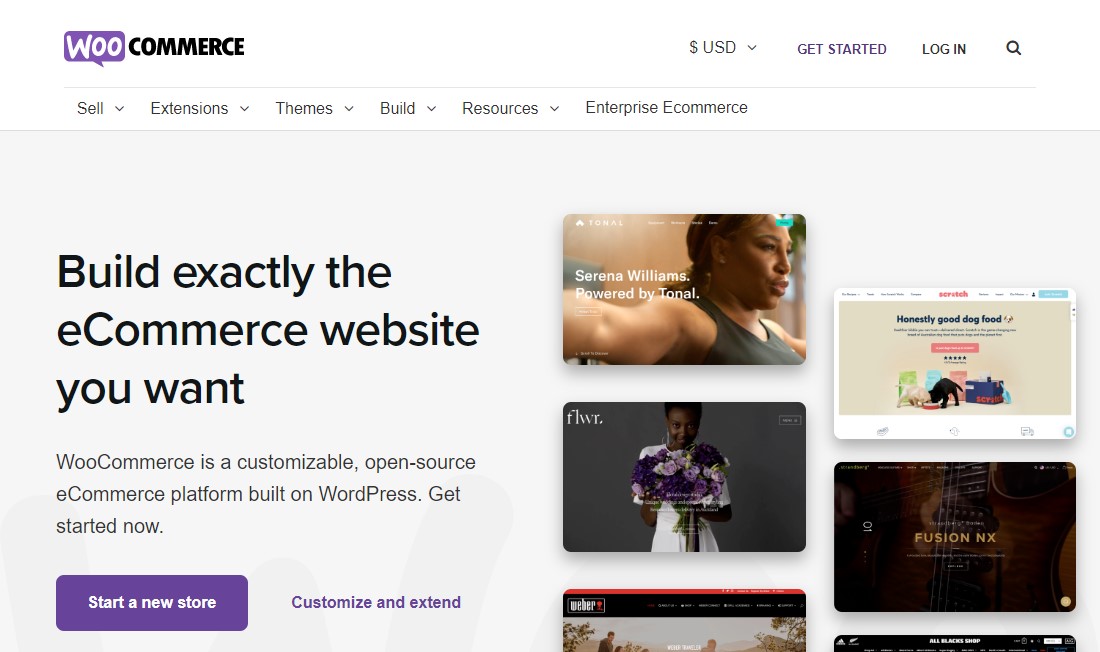
If you are using WordPress, then WooCommerce is the best alternative to Shopify. It’s an open-source eCommerce plugin for WordPress that turns your WordPress websites into fully functional eCommerce stores.
Since WordPress offers thousands of WordPress themes, it affords you a level of flexibility that you might not find with Shopify. You can also host your site separately. That means you have more ownership of your online space compared to Shopify. And while pricing is hard to compare because of things like WordPress plugins, apps, and payment processing fees, you’ll almost certainly pay less to get comparable functionality from WooCommerce.
But there’s a trade-off. The advantages of WooCommerce can feel like challenges if you’re not technical. WordPress requires more effort for site building and maintenance. Separate hosting also adds another layer of technical know-how.
Still, if you’re a WordPress-based business, WooCommerce is a good alternative.
Pros:
- The plugin itself is free, and you only pay for hosting, themes, and extensions.
- You have access to hundreds of free and paid extensions.
- Offers full control over design and functionality.
- Gives you complete ownership of your site and store.
- Unlike Shopify, WooCommerce doesn’t charge fees on order transactions.
Cons:
- Unlike Shopify, it’s not a plug-and-play solution. You may need coding or developer help.
- You’re responsible for updates, backups, and security.
- Many advanced features come as paid extensions, which can add up.
- No dependable 24/7 support like with Shopify.
Pricing:
This plugin is free to use, making it one of the best Shopify alternatives for budget-conscious users. However, additional extensions for advanced features come at a cost.
Read more: Shopify vs WordPress: Which Is Better for Your Online Store?
2. BigCommerce
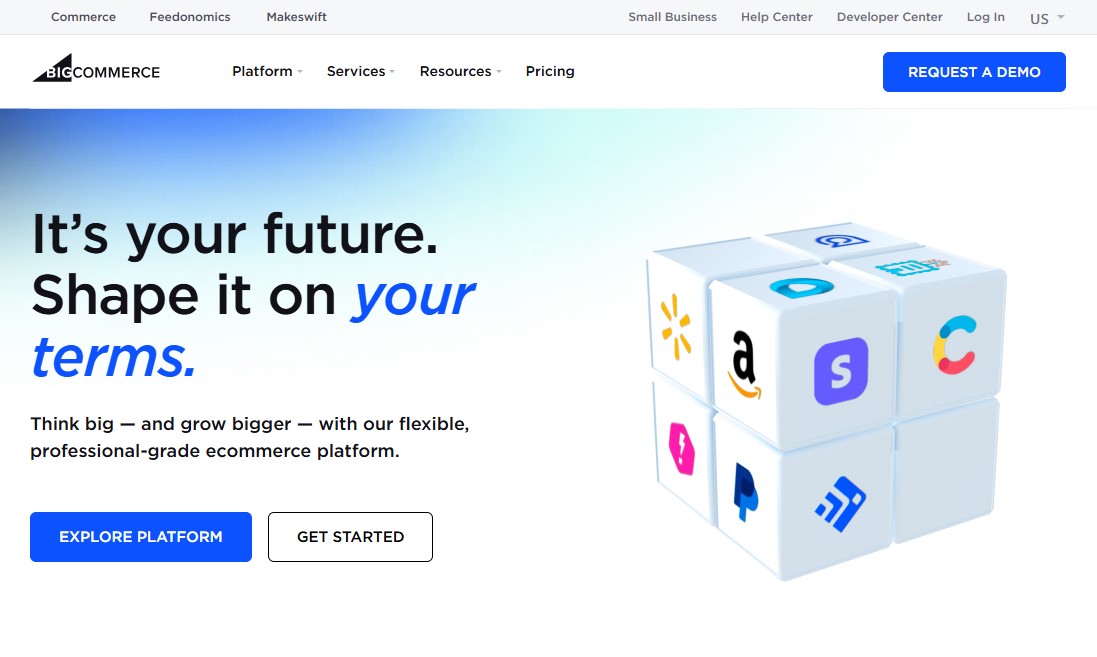
Next on our list is BigCommerce, one of the strongest competitors to Shopify. This platform works in a similar way to Shopify.
But there is one big difference. BigCommerce offers a wider and more appealing list of features.
What does this mean for your store?
With BigCommerce, you don’t need to install as many apps. Many of the features you’d normally get through Shopify apps are already built in. This helps reduce your app costs.
Another highlight is BigCommerce’s one-page checkout. It makes the buying process simple and smooth. As a result, customers are less likely to abandon their carts.
BigCommerce is not as beginner-friendly as Shopify at first. But when it comes to scaling, it’s much stronger and faster.
There’s also a big win for teams. BigCommerce includes unlimited staff accounts with all pricing plans. Shopify doesn’t offer this, even on its most expensive plan.
Pros:
- Drag & drop store builder that easily lets you customize.
- No transaction fees on orders.
- Support for over 130 payment gateways.
- Catalyst framework for fast, composable storefront development.
- Multi-channel selling capabilities.
- Promo tools such as coupons, discounts, and gift cards.
- Add a blog to your site with any plan.
Cons:
- Limited theme options.
- Each plan comes with a sales limit. If it exceeds, automatically upgrade to a higher plan.
- Must pay for the Plus plan or higher for abandoned cart recovery.
Pricing:
BigCommerce offers a 15-day free trial. After that, the premium plan starts at $29/month for unlimited products and users. Transaction fees depend on your payment gateway.
3. Squarespace
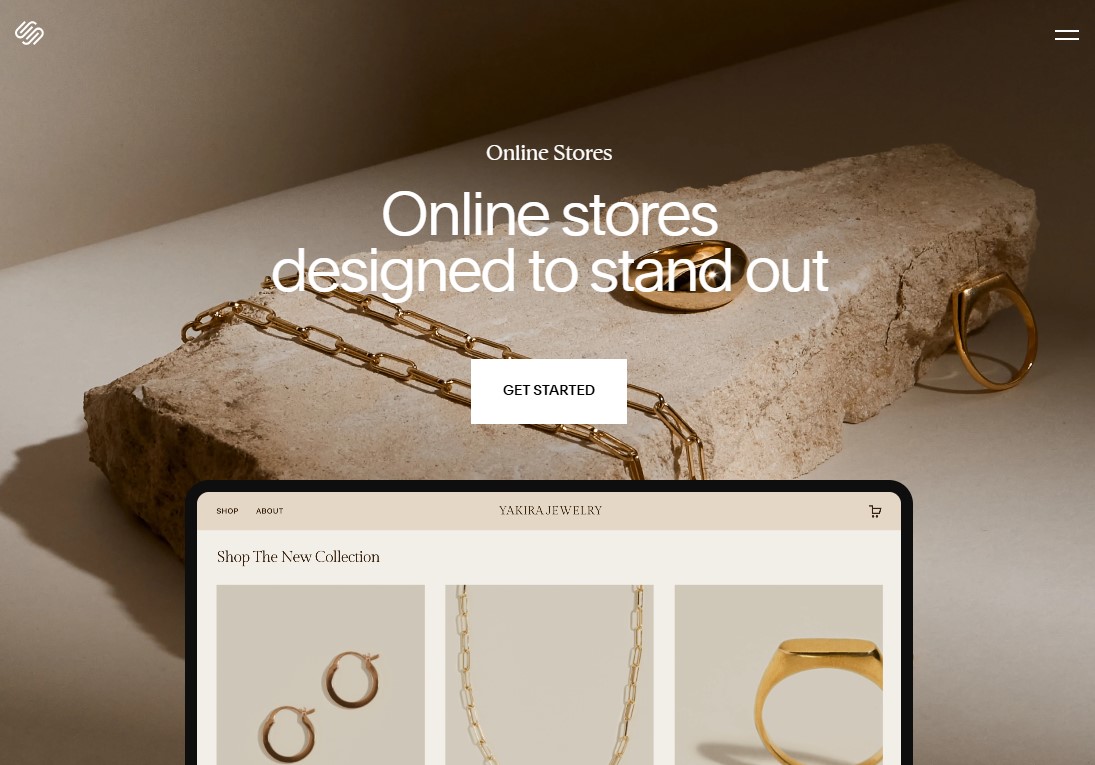
If you want to build a great website but ecommerce is only a small part of your business, you might not need everything Shopify offers.
This is where a dedicated website builder like Squarespace works well. Squarespace is a strong choice for artists, bloggers, and professionals who depend on a visually compelling presence.
It offers a large library of modern templates. You also get product display options, plus photo and editing tools. With these features, Squarespace makes it simple to build an eye-catching site—with or without ecommerce.
However, Squarespace does have trade-offs. You’ll miss out on some of the SEO and ecommerce features that Shopify provides. Shopify handles sales, shipping, and payments more robustly. Its app marketplace also gives you more marketing options.
At the same time, Shopify usually costs more. So if content creation matters more than ecommerce, Squarespace may be the better and cheaper solution.
Pros:
- Simple drag-and-drop editor for beginners.
- Great for smaller dropshipping stores.
- Visually impressive templates and themes.
- Built-in SEO tools to rank better in search results.
- Free domain and SSL certificates with annual plans.
- Built-in email campaigns and Member Areas to monetize your content.
Cons:
- Payment options are limited.
- Limited third-party integrations, as you would with WooCommerce or BigCommerce.
- Lower-tier plans charge extra fees on sales.
Pricing:
Squarespace offers a 14-day free trial. After that, the premium plan starts at $25/month for a custom domain, templates, and Squarespace AI.
4. Adobe Commerce (Formerly Magento)
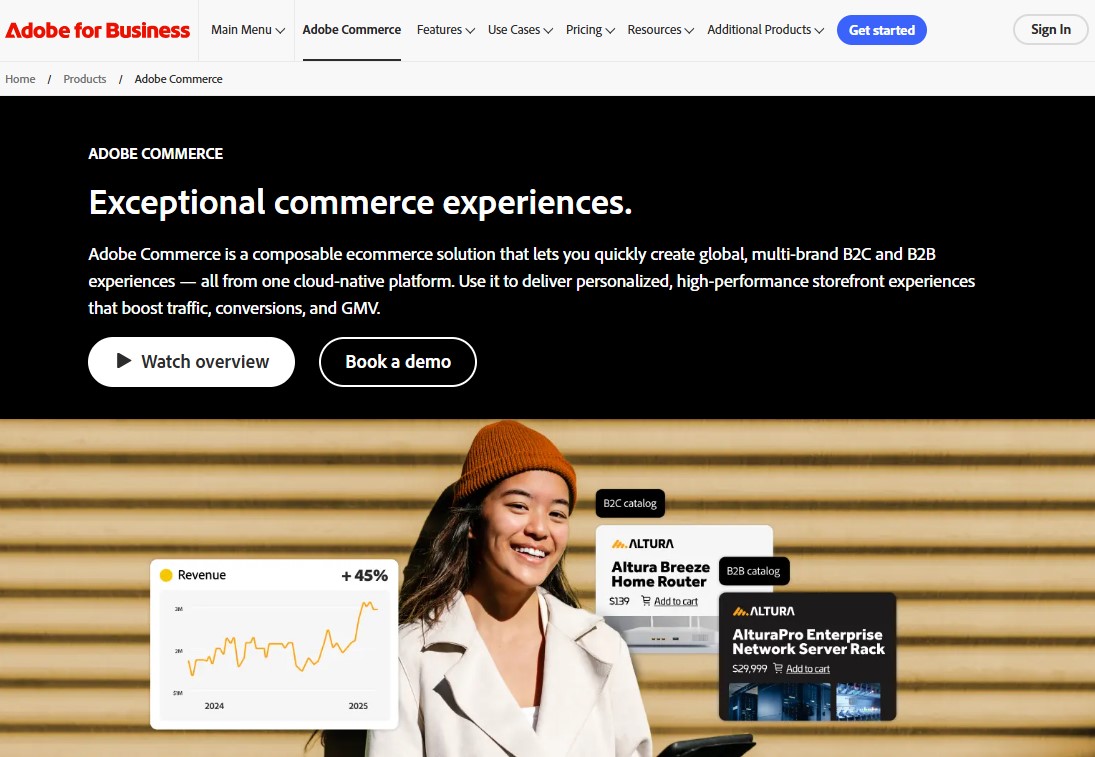
Adobe Commerce, formerly known as Magento Commerce, is a cloud-based platform. It is designed for large ecommerce businesses and B2B enterprises.
When you compare prices, it’s easy to see why Magento is so popular. Its pricing is similar to WooCommerce. That makes it one of the strongest Shopify alternatives. The core software is free. However, you still need to pay for hosting, themes, and plugins.
Magento also supports a wide range of products. You can sell physical items, digital goods, or subscription services. It comes with built-in SEO tools, analytics, and multiple payment options.
If you have the resources and some technical support, Magento is a powerful choice. It can take your ecommerce business to the next level.
Pros:
- Highly customizable and scalable.
- Good option for B2B and complex e-commerce setups.
- Advanced SEO control, including customizable URLs, metadata, and canonical tags.
- Multi-store and multi-language support.
- It offers some of the best SEO tools.
- The platform itself doesn’t charge transaction fees.
Cons:
- The platform is not beginner-friendly.
- Overkill for small businesses.
- Costs more for development and ongoing maintenance.
Pricing:
Unlike many other ecommerce platforms, Adobe Commerce does not list fixed pricing tiers. Instead, you need to contact their sales team to get a custom quote.
5. Square
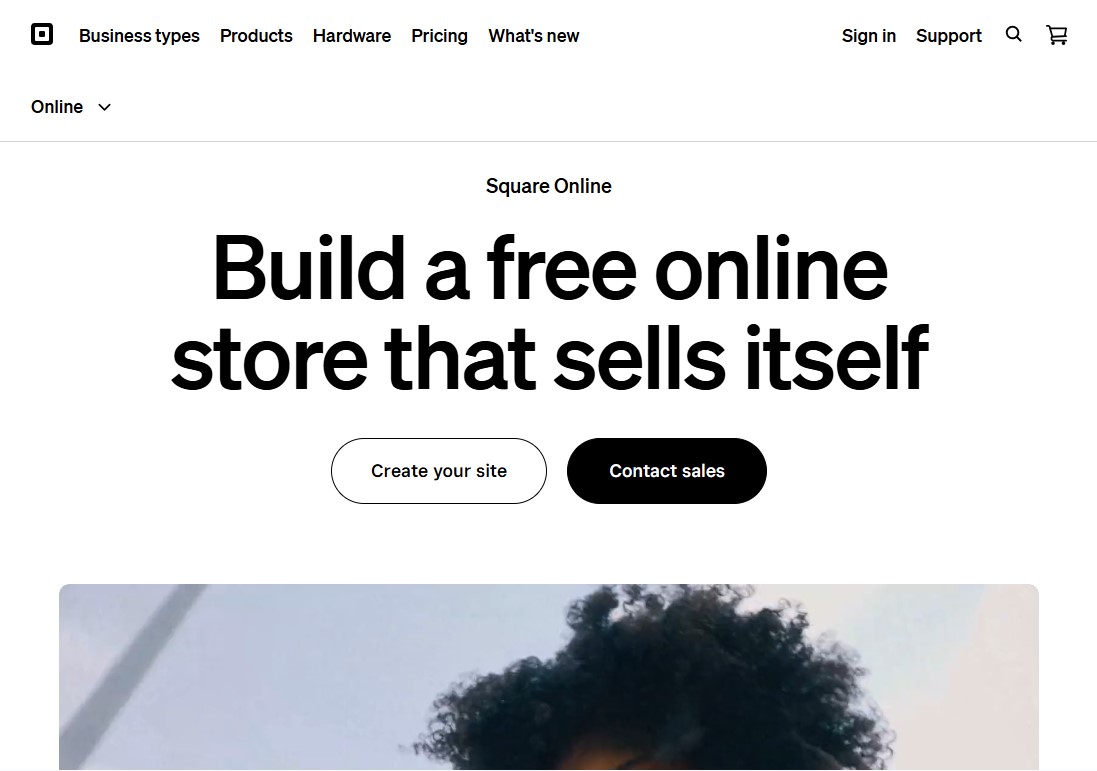
Square is an all-in-one hosted solution and a good Shopify alternative for smaller ecommerce businesses. It’s also a smart choice for brick-and-mortar stores expanding to sell online.
Square is best known for its POS systems. But it now offers a streamlined ecommerce platform. This lets you connect online and offline sales with ease.
The platform offers a free eCommerce plan. You only pay transaction fees per sale. That makes it ideal for new online businesses or those already using Square POS.
Although Square’s ecommerce features are not as advanced as those of some Shopify competitors. Still, it offers a simple website builder and basic inventory tools. These features are perfect for beginners.
Pros:
- Integrates with Square’s point-of-sale system.
- Best free Shopify alternatives for small eCommerce stores.
- Offers unlimited products without restrictions, even on the free plan.
- Built-in Square payment system.
- Clean, modern templates that are easy to customize without coding.
- Manage multiple sites and locations.
Cons:
- Fewer design options and templates compared to Shopify.
- Transaction fees on online and in-person payments.
- Lacks advanced ecommerce features for big stores.
Pricing:
Free plan available. The paid plans start from $29/month for website themes, expanded customization, and advanced eCommerce features.
6. Wix
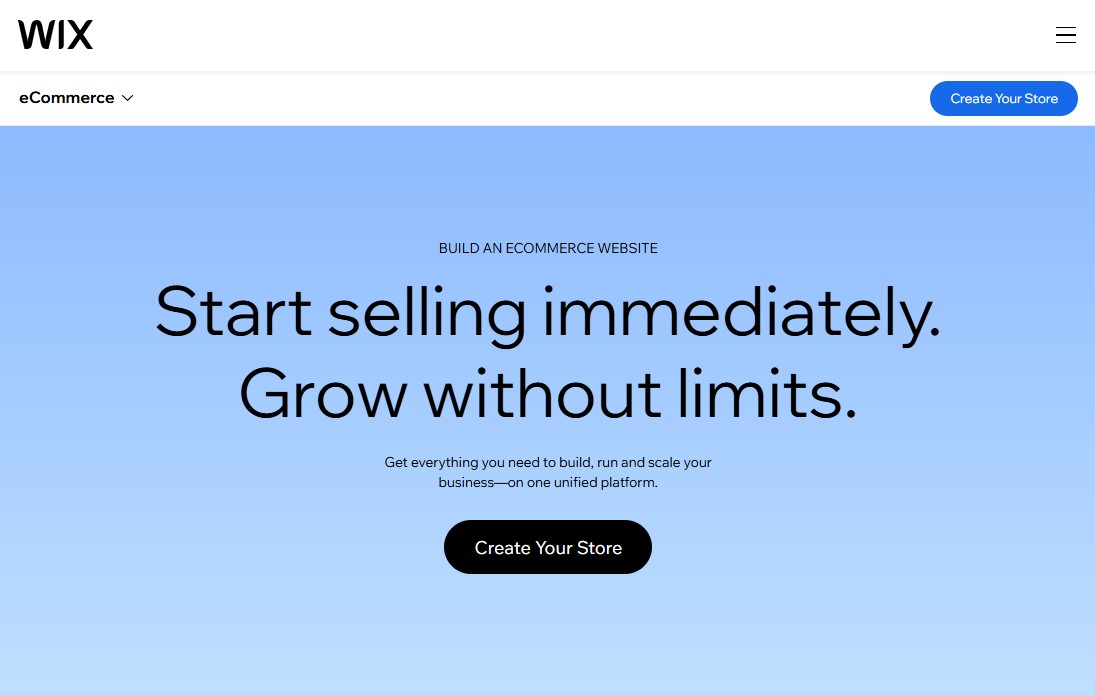
Wix is one of the best AI website builders right now. But why is Wix also considered a top Shopify alternative? The answer is simple. It offers excellent ecommerce tools and ready-to-use themes for building online stores.
Wix provides a wide range of attractive templates. It also gives you full design freedom. This makes it a great option for creative brands and businesses that want their stores to stand out.
Another big advantage is that Wix is an all-in-one solution. It comes with built-in tools for payments, product management, SEO, and email marketing. It even includes social media integration. You don’t need to rely on multiple third-party apps.
Pricing is competitive, too. Wix offers affordable plans and even a free option to test the platform. For businesses selling offline, Wix also supports in-person sales. This makes it easier to manage everything in one place.
Of course, Wix has its drawbacks. It isn’t the best choice for everyone. The platform is more suited to smaller shops and creative sellers. Large or fast-scaling ecommerce businesses may find it limiting. While it can handle small inventories well, it struggles with thousands of products or complex fulfillment needs.
In short, Wix is perfect if you want simplicity, style, and affordability. But if you need advanced features, scalability, or enterprise-level ecommerce tools, Shopify or other platforms may be the better choice.
Pros:
- Easy to use drag and drop store builder.
- Huge library of ready-made templates.
- Offer a free plan to test it out.
- Blogging and newsletter functionality.
- Wix pricing plans are cheaper than Shopify’s.
- Lower transaction fees compared to Shopify.
Cons:
- Not the best option for really big businesses with tons of traffic.
- Compared to Shopify, not as much of a focus on eCommerce.
- Wix App Market is smaller than Shopify’s App Store.
Pricing:
Free plan available. The paid plans start at $17/month.
7. Ecwid
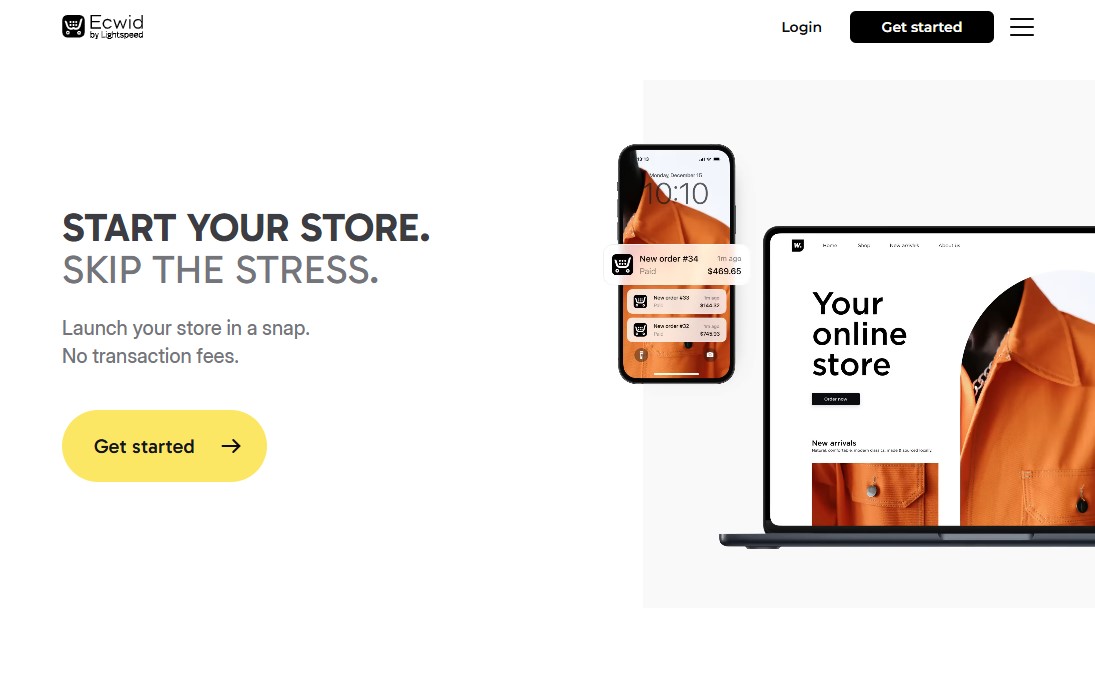
Ecwid is another strong ecommerce alternative to Shopify. It works best if you already have a website or social media presence. You can start selling quickly without rebuilding everything from scratch.
It integrates smoothly with platforms like WordPress, Wix, Facebook, Instagram, and even WhatsApp. If you’re on WordPress, you can use their plugin to set up a store in minutes.
Ecwid makes setup simple. It includes tools for both online and in-person sales. You can accept different payment methods and sell both physical and digital products. Marketing tools are built in, too. These include automated emails, discount codes, and abandoned cart recovery. All of them help boost sales.
There are some downsides. The SEO tools are limited. You can edit titles and descriptions. But you can’t customize URLs or create redirects. This reduces your control over search visibility.
Ecwid is best suited for small stores. Larger businesses may find it lacking. It doesn’t offer advanced dropshipping features, robust POS integrations, or deep design control. In those areas, Shopify often performs better.
Pros:
- Easily integrated into an existing website without starting from scratch.
- Offers affordable plans compared to Shopify.
- Ecwid doesn’t charge any transaction fees.
- 70+ site templates tailored to various niches.
- Ecwid supports multiple languages and currencies.
- Sell simultaneously on multiple sites.
Cons:
- Design options are not as flexible as Shopify.
- The app marketplace is smaller.
Pricing:
Ecwid offers four pricing plans. The lowest plan costs ₹450/month and sells upto 5 products.
8. OpenCart
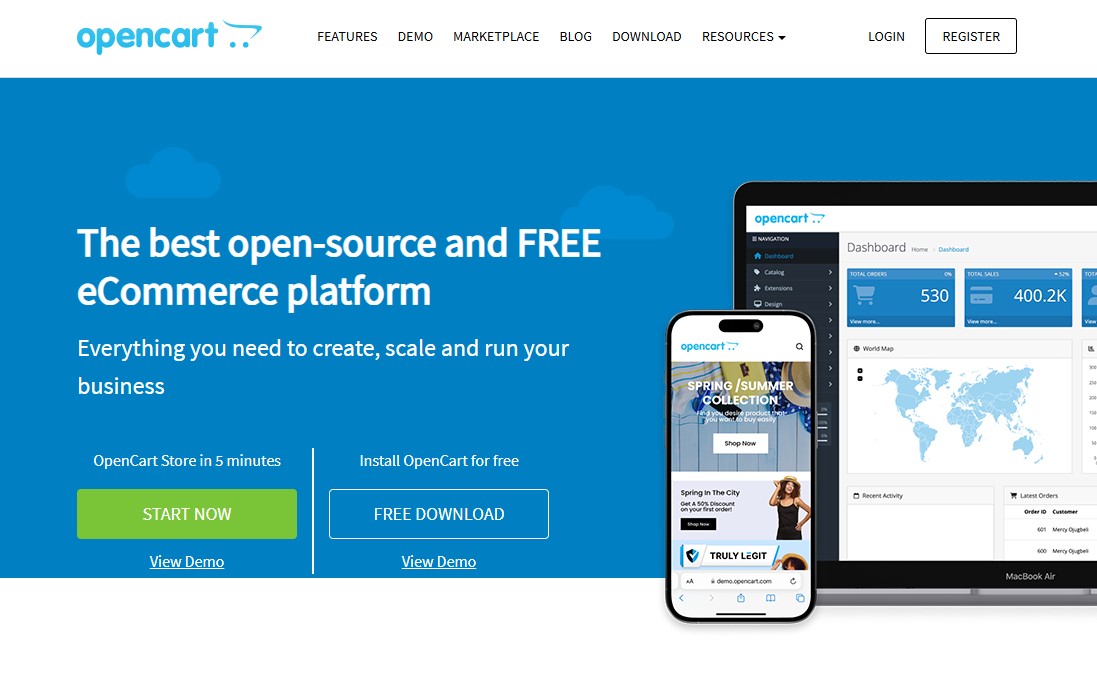
OpenCart is the best free Shopify alternative that allows you to build and manage an online store. It’s free to download and install, and because it’s open-source, you have complete control over the code and customization.
This makes it popular with store owners who want flexibility without being locked into a paid, hosted solution like Shopify or BigCommerce.
One of its biggest strengths is its multi-store support, which enables you to manage multiple stores from a single admin panel. Other than that, it supports thousands of add-ons and third-party modules, which is what most ecommerce clients usually want.
Pros:
- Free to use and easy to manage.
- Multi-store support.
- Multi-language and multi-currency support.
- Set advanced user privileges and separate access for user groups and users.
- Offers an inbuilt affiliate system to promote specific products and get paid.
- Offers discounts, coupons, and specials to increase sales.
- Sell unlimited products.
- No transaction fees.
Cons:
- Not the best choice for large or fast-scaling stores.
- Setup and maintenance may require technical knowledge.
- Advanced features often need paid extensions or developer support.
Pricing:
OpenCart is a free, open-source ecommerce platform that is free to download. However, to use it, you need to purchase web hosting separately.
For this, we recommended Hostinger. Hostinger offers OpenCart hosting plans starting at $4.99 per month. You can install OpenCart in just a few clicks. The setup is simple thanks to a specialized VPS template.
9. PrestaShop
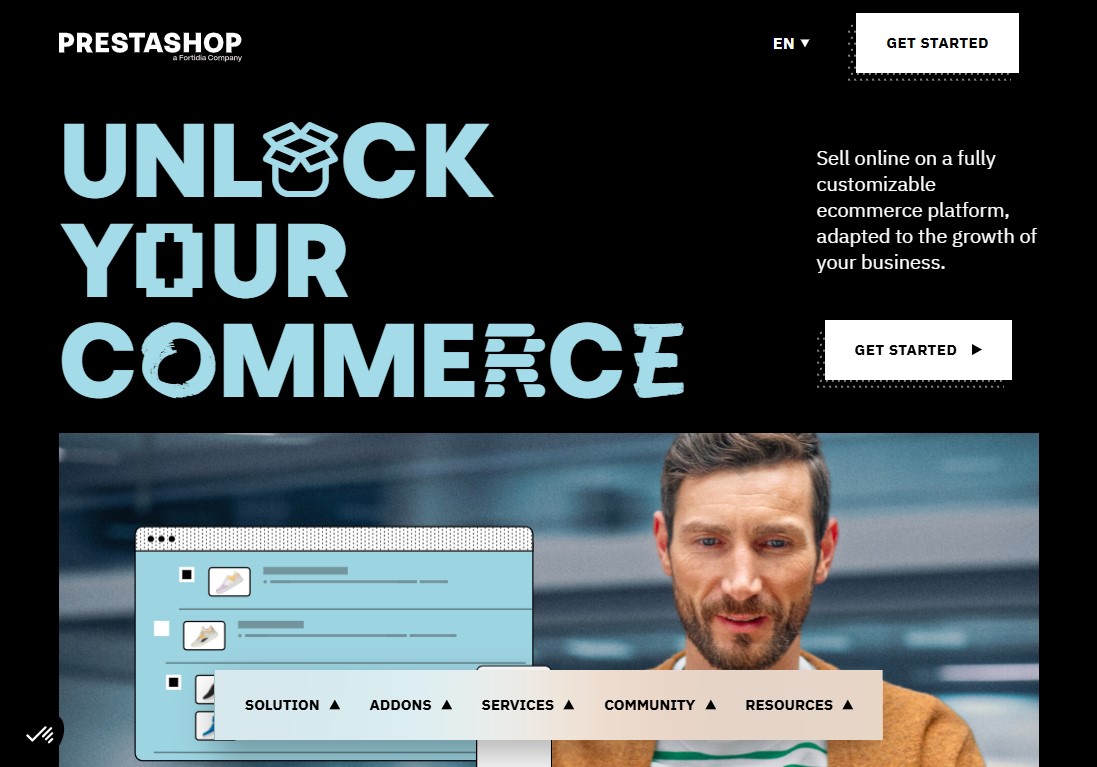
If you’re on a tight budget, PrestaShop is a strong alternative to Shopify for building an online store. It comes in two versions.
The first is a free, open-source version. To use it, you’ll need to purchase hosting and a domain name. The second is a hosted version. This one includes hosting, support, and ecommerce tools so you can launch your store more quickly.
When it comes to themes and templates, PrestaShop falls short compared to Shopify. But in terms of usability, it holds up well.
PrestaShop doesn’t charge extra transaction fees. It also supports up to 65 languages, multiple currencies, and more than 250 payment gateways.
With the help of an experienced PrestaShop developer, you can build a professional online store without breaking the bank.
Pros:
- Free and open source.
- Offers over 4000+ modules to extend store functionality with high flexibility.
- Includes built-in SEO tools such as structured data, meta tag customization, and optimized URLs.
- Built-in multi-store, multi-language support.
- Full control over your store data.
- Sell digital products straight out of the box.
Cons:
- Steep learning curve.
- PrestaShop’s support options beyond its community are paid.
Pricing:
PrestaShop offers both open source and hosted versions. To use the open source version, you will need to get the hosting and domain. For web hosting, we recommend Hostinger. It is one of the best cheap web hosting providers and also offers a dedicated PrestaShop web hosting plan, which starts from $3.79/month with all essential tools for an online store.
The hosted version costs €24/month (excluding VAT) with a 14-day free trial.
10. Dukaan
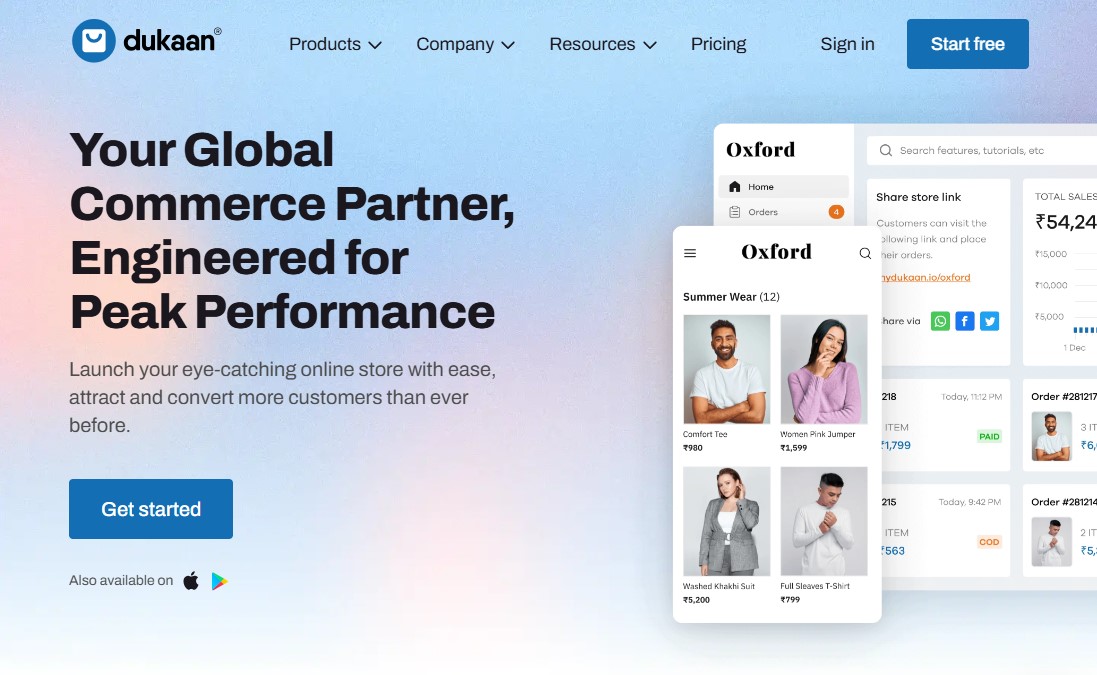
Dukaan is a SaaS eCommerce platform designed for B2C and D2C businesses. It is one of the best Shopify alternatives for anyone looking to quickly set up and start selling online.
The platform’s biggest strength is its simplicity and scalability. You don’t need coding skills to use it.
It also provides powerful eCommerce features, all accessible from a single dashboard. Despite its advanced tools, the platform has no learning curve, making it unique in the market.
Customizing a store is easy as well. Dukaan’s library themes are free, fast-loading, and mobile-friendly. For those with technical expertise, additional customization is possible through custom CSS.
Pros:
- Quick to launch your store with minimal setup.
- Guaranteed 99.5% uptime for your store.
- Low cost with zero platform transaction fees.
- Marketing tools and discounts to drive repeat orders.
- Offers easily customizable themes and many third-party plugins.
- Offer a free plan with all the essential eCommerce features.
Cons:
- Advanced features like B2B tools, multi-channel selling, or complex product setups are limited.
- Higher service fees on the free plan.
Pricing:
Dukaan offers a free plan, making it one of the best free Shopify alternatives. Other than that, it also offers three paid plans, which start from ₹2,999/per year.
11. Hostinger eCommerce Website Builder
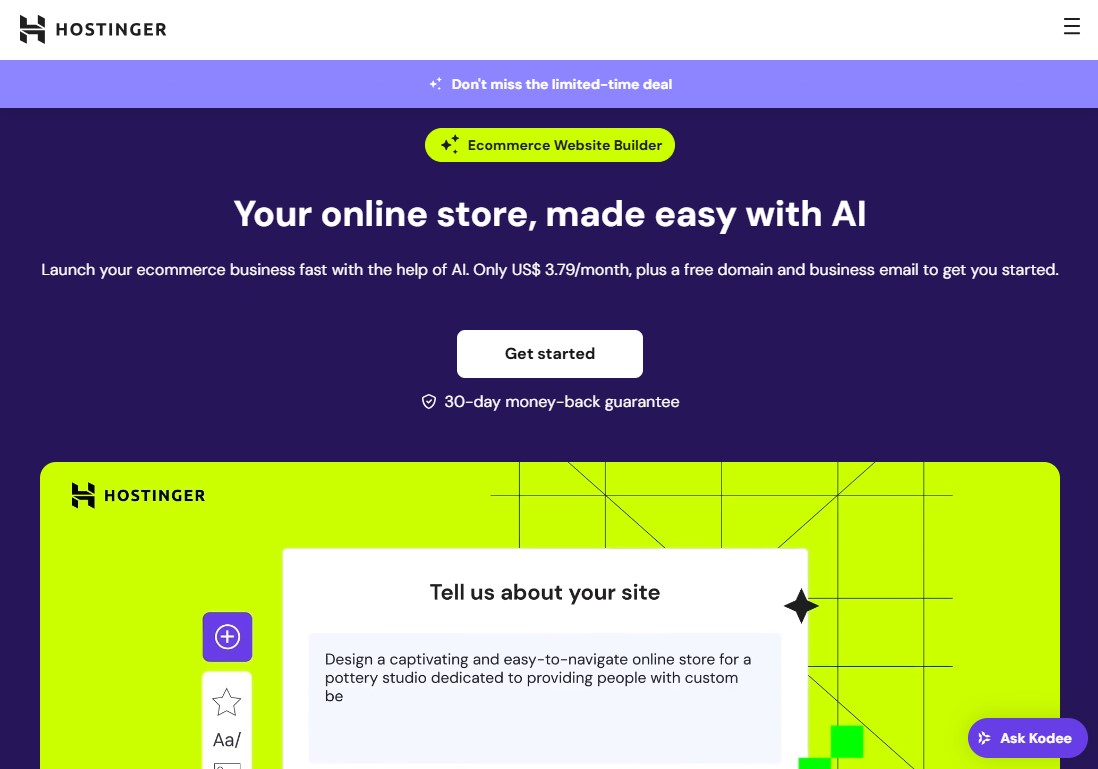
Last on our list is Hostinger Website Builder. It’s one of the best eCommerce builders for people without technical skills.
The platform includes hosting, security, and support in a single plan. This makes it a streamlined, all-in-one solution for launching a store without third-party tools.
A standout feature is its AI integration. You simply describe your business, and the system builds a fully functional website in minutes. Once generated, you can use the drag-and-drop editor to add new pages, move elements, and customize the design to match your style.
Hostinger also comes with built-in eCommerce tools. You can sell up to 600 products, track inventory, and manage orders with ease. It supports over 100 secure payment methods. If you run a service-based business, you can even enable appointment bookings in just a few clicks.
On top of that, the builder includes SEO tools and integrates with third-party marketing features. These help drive more traffic and grow your online store.
Pros:
- Choose ready-made templates or use AI to build an online store.
- Built-in AI tools for writer, product generator, SEO assistant, and logo maker.
- No transaction fees.
- Fast performance and good support.
- Sell physical or digital products with ease.
- Free domain and email services at no extra cost.
Cons:
- Not best for large enterprise or multi-vendor use cases.
- Limited flexibility for complex designs.
Pricing:
Hostinger eCommerce Website Builder costs $3.79/month (48-month terms).
Which Shopify Alternative is Best For You?
Choosing the best Shopify alternative depends entirely on your goals, technical comfort, business scale, and priorities. Above, we have rounded up the 11 best options available. As a result, make sure to select the best eCommerce platform that meets your budget and needs:
- Best value for money: WooCommerce or Hostinger eCommerce Website Builder
- Best for Control & Flexibility: WooCommerce or PrestaShop
- Best for Small Businesses: Wix or Squarespace
- Best for Scalability: BigCommerce
- Best for Large Enterprises: BigCommerce
- Best Free Alternatives: WooCommerce, OpenCart, PrestaShop, Ecwid
Best Shopify Alternatives: Conclusion
Shopify is a powerful eCommerce platform. However, it may not be the right choice for everyone.
High pricing, transaction fees, and limited customization are some of the drawbacks. These factors might push you to explore alternatives to Shopify. When comparing options, always consider your needs, budget, and technical skills.
For advanced users, open-source platforms such as WooCommerce, Magento, PrestaShop, and OpenCart are excellent choices. They offer extensive customization and flexibility.
Beginners, on the other hand, may prefer something simpler. A tool like Hostinger Website Builder is more user-friendly. It comes with AI tools and a drag-and-drop editor, making it easy to set up an online store.
We hope this article helps you find the best Shopify alternative to kickstart your online journey.
For more, check out these other helpful resources:
- How to Start an Online Store (Beginners Guide)
- Is Dropshipping Worth It in 2026?
- 10 Best Gumroad Alternatives for Creators & Sellers
- Top 10 WooCommerce Alternatives for eCommerce Store
Lastly, follow us on Facebook and X (formerly Twitter) to stay updated on the latest WordPress and blogging-related articles.
Frequently Asked Questions
What are the Best Alternative to Shopify?Wix for ease of use, WooCommerce for customization, and BigCommerce for scaling are some of the best alternative to Shopify.
Wix for ease of use, WooCommerce for customization, and BigCommerce for scaling are some of the best alternative to Shopify.
Is there a Free Alternative to Shopify?Yes—Square Online, Ecwid, OpenCart are some of the free options to Shopify.
Yes—Square Online, Ecwid, OpenCart are some of the free options to Shopify.
Which Alternative is Easiest for Non-Technical Users?Wix and Squarespace are beginner-friendly with drag-and-drop editors.
Wix and Squarespace are beginner-friendly with drag-and-drop editors.
Is WooCommerce a Good Shopify Alternative?Yes—it’s free, highly customizable, and runs on WordPress.
Yes—it’s free, highly customizable, and runs on WordPress.
What’s the Most Affordable Shopify Alternative?Hostinger Website Builder is one of the most affordable options, starting at just $3.79/month. It includes eCommerce tools, AI features, web hosting, a domain name, and more, which is great for new or small shops.
Hostinger Website Builder is one of the most affordable options, starting at just $3.79/month. It includes eCommerce tools, AI features, web hosting, a domain name, and more, which is great for new or small shops.

