16 April 2026

Is Dropshipping Worth It in 2026? Find Out
Thinking about starting an eCommerce business, but don’t want to invest money in importing goods. In this case, Dropshipping might be a good fit for you.
However, many people like you wonder whether dropshipping is really profitable or worth it.
In this article, we will help you answer the question, “Is dropshipping worth it in 2026?” and explore the pros & cons of this business model.
Read until the end to know all the details!
Key Takeaways
- The dropshipping business model allows sellers to offer products without holding inventory, with suppliers handling storage, packing, and shipping directly to customers.
- The dropshipping process involves forwarding customer orders to suppliers, paying wholesale costs, and keeping the profit margin between retail and supplier pricing.
- Market growth trends indicate that dropshipping is expanding rapidly, driven by eCommerce adoption, AI tools, and global online shopping behavior.
- Key advantages of dropshipping include low startup costs, flexible operations, wide product selection, and the ability to test products without financial risk.
- Common challenges in dropshipping include limited control over product quality, shipping delays, high competition, and increased customer service responsibilities.
- Profitable niches and income potential depend on product selection, marketing strategy, and demand, with average margins typically ranging from 20% to 30%.
- Successful dropshipping strategies require choosing a focused niche, working with reliable suppliers, investing in SEO and marketing, and continuously optimizing products and customer experience.
What is Dropshipping?
Dropshipping is a way of selling products without keeping any stock yourself. You simply list items in your online store. When a customer places an order, you pass the details on to a supplier. They handle packing and shipping the product straight to the customer.
Your role is to manage the store and sales. The supplier takes care of fulfillment. You earn money by keeping the difference between what the customer pays and what the supplier charges.
How Does Dropshipping Work?
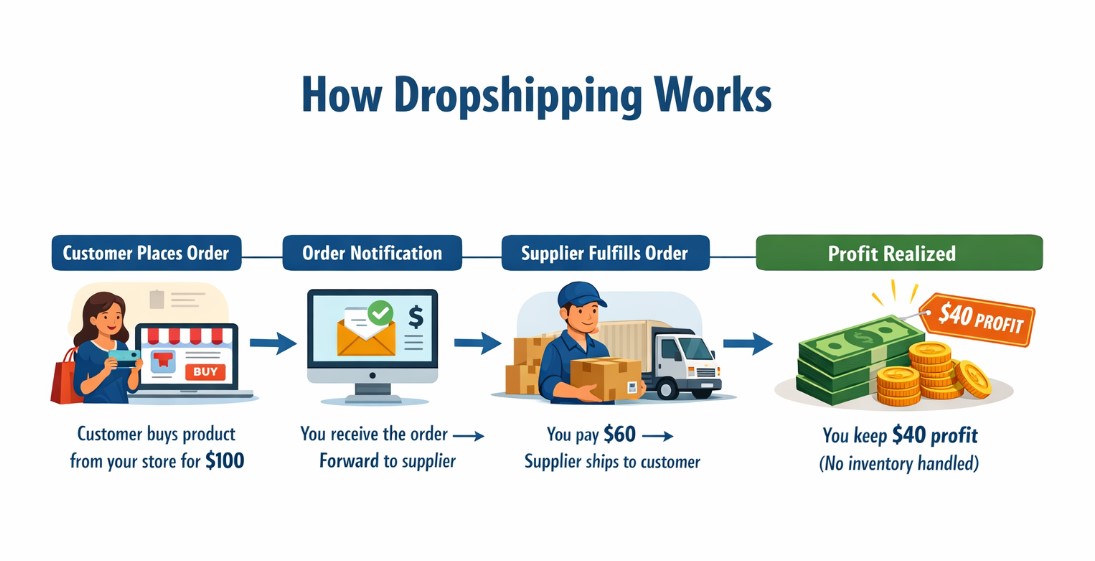
Here is how the dropshipping process works:
- Customer Places Order: A customer buys a product from your online store for $100.
- Order Notification: You receive the order and payment. Your store automatically or manually forwards the order to your dropshipping supplier.
- Supplier Fulfills Order: You pay the supplier the wholesale price (e.g., $60), and the supplier packages and ships the product directly to the customer under your brand name.
- Profit Realized: You keep the difference ($40 profit in this example) without ever handling the physical product.
The Dropshipping Market in 2026
According to Grand View Research, dropshipping is expected to keep growing steadily—at about 22% per year—through 2030.
If that holds true, the global dropshipping market could hit around $1.25 trillion by the end of the decade. That’s a huge jump.
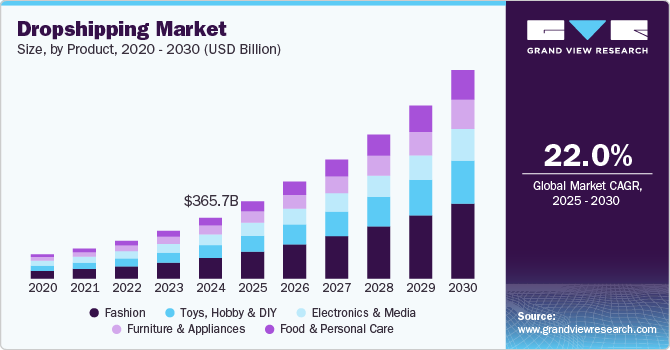
So yeah, the industry is clearly on the rise. A big part of that growth is tied to how businesses are using AI. It’s making day-to-day operations smoother—things like managing inventory, adjusting prices, and improving customer experience are all getting easier.
But growth isn’t the only thing worth noticing. People are still really interested in dropshipping.
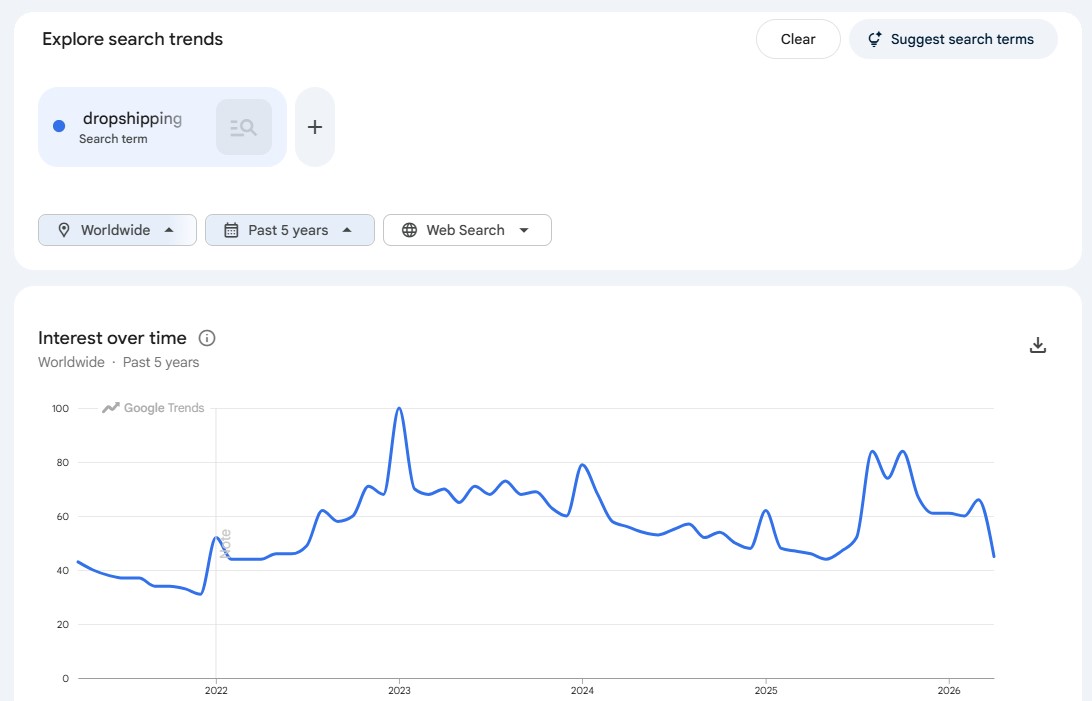
Take Google Trends, for example. The search term “dropshipping” has stayed pretty steady over time, with occasional spikes. That usually means people are consistently curious and want to learn more.
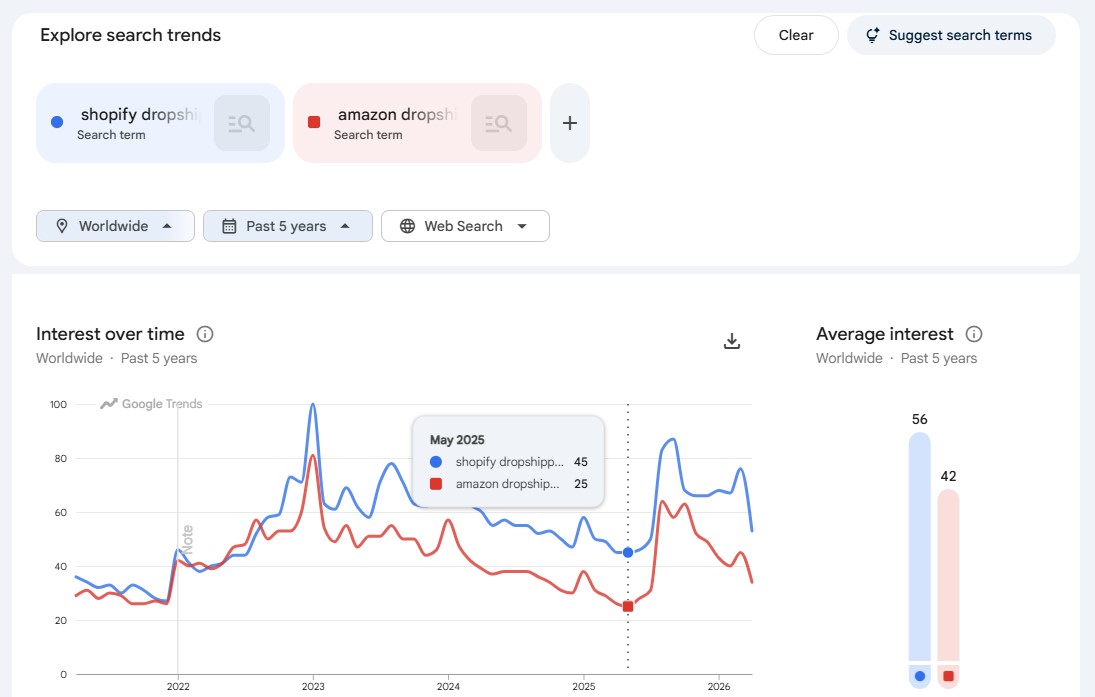
You’ll see the same pattern with related searches like “Shopify dropshipping” and “Amazon dropshipping.” That’s not surprising. Around 62% of Amazon’s sales come from third-party sellers, many of whom use dropshipping. Similarly, Shopify has become a go-to platform for retailers who use the dropshipping business model.
So what’s the takeaway?
Dropshipping isn’t slowing down. The market is growing, and people are still paying attention.
All things considered, starting a dropshipping business in 2026 still looks like a solid move.
Why is Dropshipping Still Worth It: Dropshipping Advantages
Dropshipping is the best option for new business owners to start making money online. And it’s easy to see why—it comes with some pretty solid advantages.
1) Low Startup Costs
With dropshipping, you can start an online store without buying inventory upfront. You only pay for a product after a customer places an order.
That makes it a great option if you’re getting into eCommerce or don’t want to risk a big investment.
2) Wide Product Selection
There are millions of products available through dropshipping suppliers. Since you don’t need to stock items in advance, you can try out different products easily.
This lets you see what sells and adjust quickly as trends change.
3) Flexibility and Scalability
You can run a dropshipping business from anywhere with an internet connection. It’s also easy to scale. You can add new products without worrying about storage or shipping logistics.
4) No Inventory Management Hassles
Because you don’t keep products on hand, you avoid the usual headaches. No warehouses, no stock counting, and no dealing with unsold items. You also save money on storage and inventory management.
5) Automated Business Operations
A lot of the work can be automated with eCommerce tools. Orders, inventory updates, and even parts of customer service can run on their own. This cuts down the time you spend on daily tasks.
6) Faster Product Validation
You can launch new products quickly without buying in bulk. If something doesn’t sell, you can simply remove it. There’s no leftover stock to worry about, which keeps your risk low.
7) More Time for Important Tasks
Since you’re not packing or shipping products, you can focus on growing your business. That means more time for marketing, branding, and building something that lasts.
Challenges of Dropshipping
Dropshipping has a lot going for it, but it’s not all smooth sailing. It’s easy to get started and offers plenty of flexibility, but there are a few downsides you shouldn’t ignore—especially if you’re thinking long term.
Here are some of the main challenges:
1) Limited Control Over Product Quality and Higher Refund Risk
You don’t get to check products before they’re shipped. So if something arrives damaged or doesn’t match the description, customers will blame your store. That often leads to refunds, disputes, chargebacks, and bad reviews—which can hurt your future sales.
2) Limited Branding and Customization
Since suppliers handle shipping, you don’t have much say in how the product looks when it arrives. Packaging and branding options are usually limited. That makes it harder to stand out and build strong customer loyalty.
3) Shipping Problem
You’re relying on someone else to handle shipping, and that can be tricky. If there’s a delay or a mistake, your customers will hold you responsible. In a way, you end up taking the heat for problems you didn’t cause.
4) High Competition Lowers Potential Profit Margins
Because it’s so easy to get started, many people jump into dropshipping. Many of them sell the same products. This pushes prices down and cuts into your profits, especially in popular niches. To stay ahead, you need solid marketing and a good eye for trending products.
5) Higher Customer Support Workload
When something goes wrong, customers reach out to you—not the supplier. Late deliveries, lost packages, damaged items, and return issues all land on your plate. As your orders grow, so does the number of support requests.
6) Limited Control Over Inventory
You don’t manage the stock yourself, so you’re dependent on your supplier’s inventory. Items can go out of stock without warning, and delivery times can vary. That can lead to delays and unhappy customers.
To reduce these issues, it helps to work with reliable suppliers. You should also use inventory tracking tools that sync with your supplier’s system in real time.
How Much Profit Does Dropshipping Make on Average?
Most dropshipping businesses earn a profit margin of around 20% to 30% per sale, according to Zippia. That’s quite a bit higher than the typical retail fulfillment margin, which usually ranges from 3% to 10%. So, in many cases, dropshipping can be more profitable than traditional retail models.
That said, these numbers are just averages. How much you actually make can vary a lot. It depends on what you’re selling, how you market your products, and the size of your business. Even within the same niche, profits can rise or fall depending on the details and quality of each product.
Which Dropshipping Niches Are Most Profitable in 2026?
Dropshipping tends to work best in niches where demand is rising, profit margins are solid, and customers keep coming back for more.
Here are some of the most profitable dropshipping niches to consider:
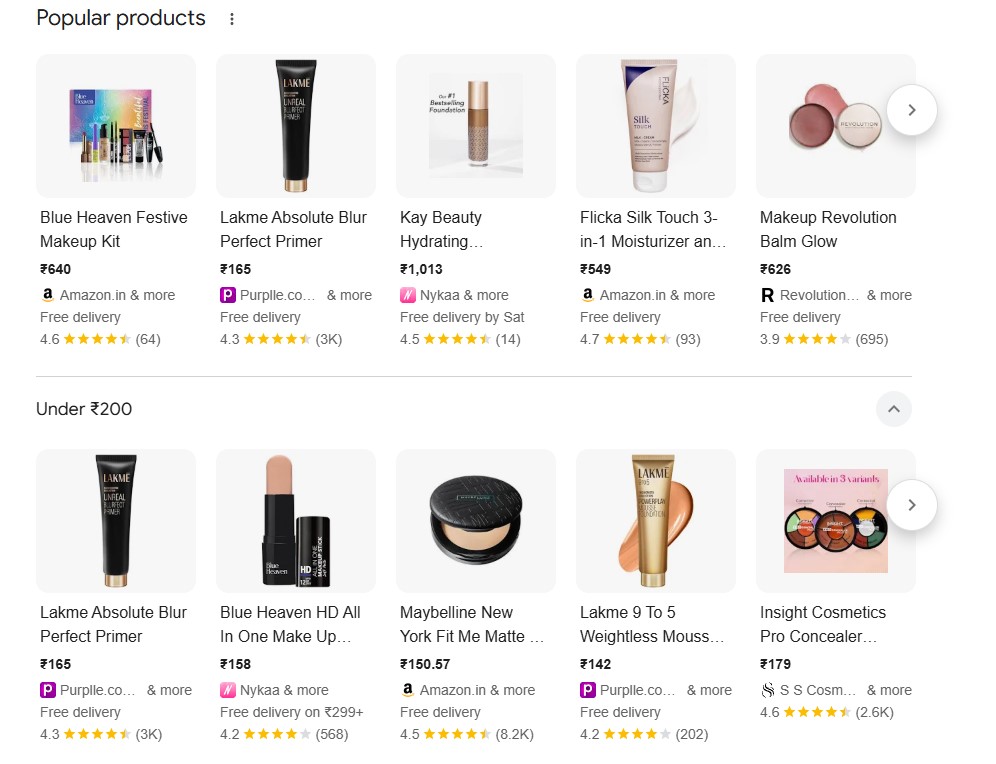
1) Beauty Products
Beauty is one of the largest eCommerce categories. The market is expected to hit $742.08 billion by 2030. This growth is driven by skincare routines, trends, and repeat buying.
Yes, it’s competitive. But you can still stand out. Focus on a specific angle, such as skincare tools, at-home beauty devices, or natural products.
 2) Fashion and Apparel
Fashion makes up over 34% of dropshipping revenue. That makes it the largest segment.
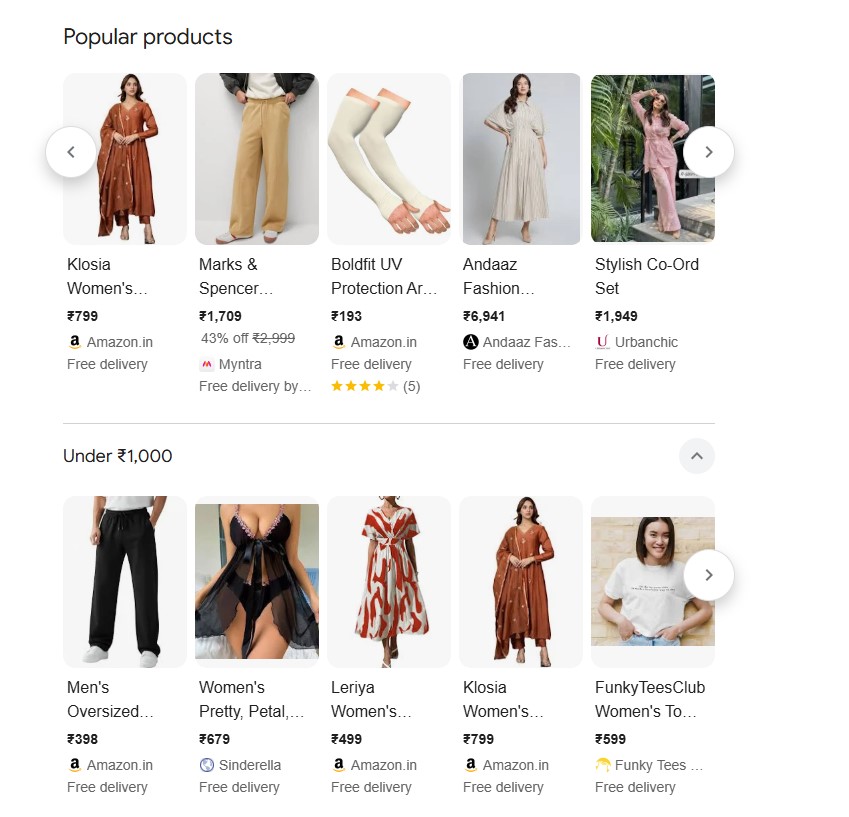
It’s also huge in live commerce. People often discover clothes on TikTok, Instagram, or livestreams. Then they buy what they see.
Trends change fast. Because of that, customers keep coming back for new styles every season.
3) Pet Products
Pet products are a steady and reliable niche. The global pet care market was worth $226.92 billion in 2023. It’s expected to grow to $340.7 billion by 2029.
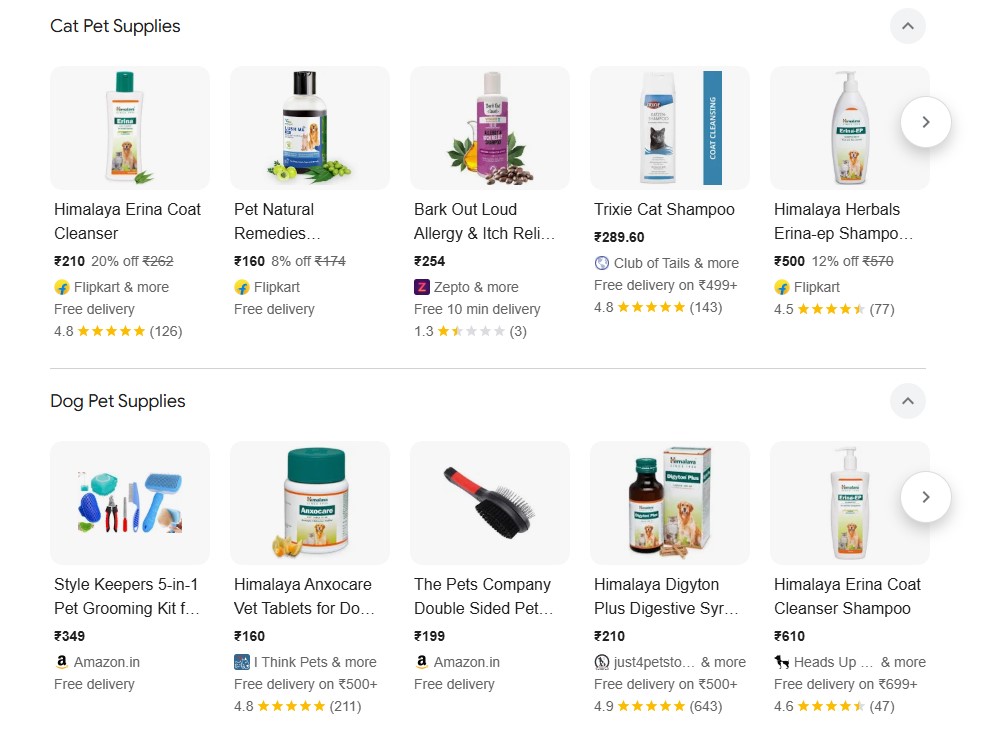
Pet owners are spending more on comfort and wellness. They also want convenience.
Popular items include toys, grooming tools, feeding accessories, and wellness products. These are easy to ship and are often bought again and again.
4) Home and Lifestyle Products
This niche appeals to a wide audience. It also performs well on both search engines and social media.
The home decor market is expected to reach $991.9 billion by 2033.
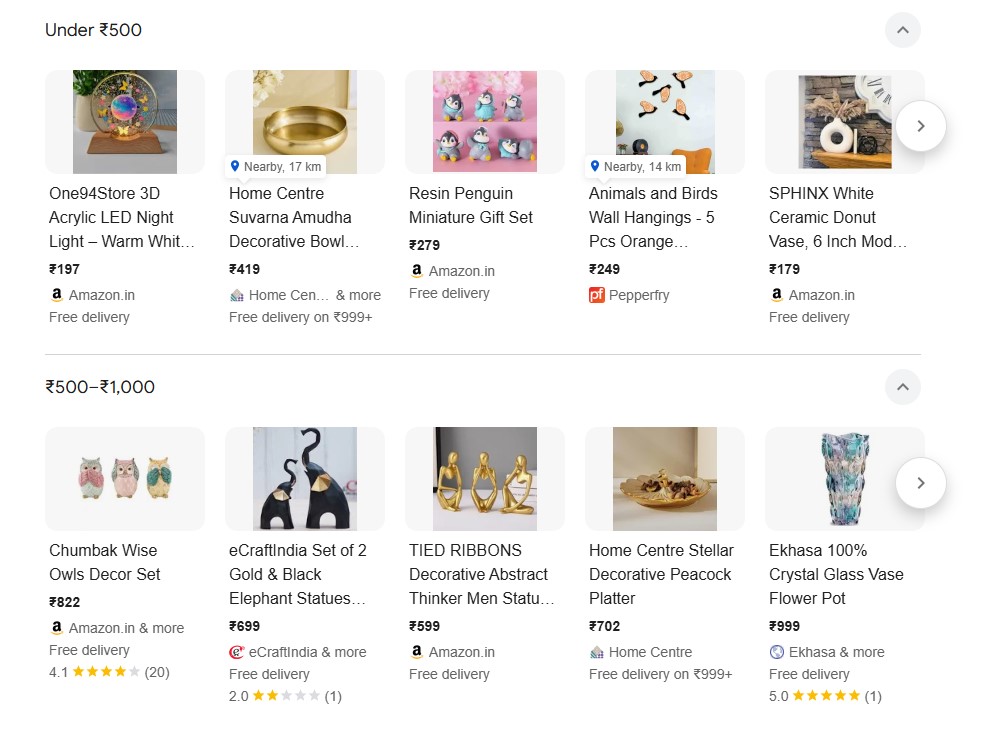
Products like kitchen tools, storage solutions, and home accessories do especially well. Show how they make life easier or more organized.
5) Print-On-Demand (POD)
Print-on-demand is popular for a reason. You can sell custom products without holding inventory.
Items are only made after someone orders. That keeps costs low and reduces risk.
The custom t-shirt printing market alone is expected to reach $9.82 billion by 2030. Demand is driven by personalized clothing and branded merch.
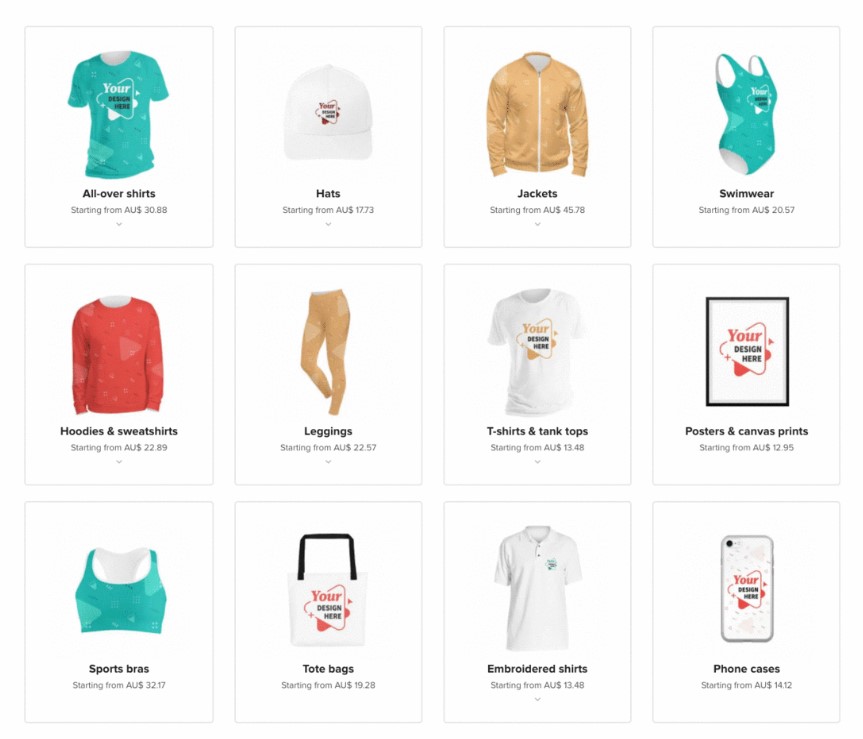
It’s not just shirts. Mugs, posters, phone cases, and tote bags also sell well. They make great gifts and offer plenty of customization options.
This model works especially well for creators, influencers, and niche communities where branding matters.
6) Electronics and Device Accessories
This category stays strong because people use devices every day. Phones, laptops, and tablets are part of daily life.
Accessories like chargers, cables, cases, and earbuds are always in demand.
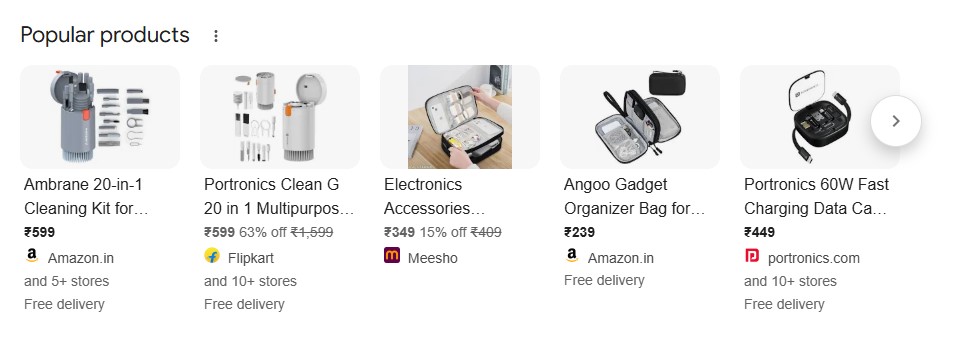
These items don’t last forever. People lose them or replace them when they break or stop working. That creates repeat demand instead of one-time sales.
Tips For Starting a Profitable Dropshipping Business
Making money with dropshipping isn’t just luck—it takes planning, a good understanding of the market, and consistent effort. You also need patience and the willingness to keep learning as things change.
The good news? Dropshipping is flexible and doesn’t cost much to start. But your success depends on how well you run and grow your store. Here are some practical tips to help you get on the right track and increase your profits.
1. Select a Profitable Niche
A niche is simply a specific group of products for a targeted audience. Picking the right one makes selling much easier. Without it, your store can struggle to stand out.
Finding a good niche is easier than ever. With a bit of research, you can quickly spot what people are interested in.
- Identify Social Trends: Platforms like Instagram, TikTok, and Twitter can show you what people are talking about right now.
- Try Research Tools: Tools like Google Trends, Semrush, or SE Ranking help you check demand and track interest over time.
- Browse Marketplaces: Sites like Amazon, Etsy, and eBay can reveal what products are already selling well.
Tip: Don’t go too broad or too narrow. If your niche is too wide, it’s hard to connect with customers. If it’s too specific, you might not get enough buyers. Aim for a balance.
2. Find the Right Dropshipping Suppliers
Your supplier plays a huge role in your success. A bad one can ruin your business before it even gets going.
Here’s what to look for:
- Location: Local suppliers usually offer faster delivery and lower shipping costs.
- Product Range: A wider selection makes it easier to grow your store later.
- Minimum Order Requirements: This keeps things simple and avoids bulk buying.
- Ease of Integration: Make sure the supplier works smoothly with your store platform.
- Online Reputation: Check reviews and ratings from other users.
Always do your own research before choosing a dropshipping supplier. Look at their website, read reviews, and even reach out to them if needed.
3. Pick Winning Dropshipping Products
Once you’ve chosen your niche and supplier, the next step is finding winning products.
Here’s how you can do that:
- Use Product Research Tools: Platforms like Sell The Trend, AliShark, and Niche Scraper help identify trending products across different marketplaces and platforms. Use them to find best-selling products and get data about customer demand and market trends.
- Analyze Competition: With a simple Google search, you can easily find various successful dropshipping stores. Take some time to browse what they’re selling and read through customer reviews. Pay attention to what buyers like—and what they complain about. Use that insight to find products that are similar, but improved in ways that actually matter.
4. Choose the Right eCommerce Platform to Sell
When you’re starting a dropshipping business, one of the first big decisions you’ll face is choosing where to sell. This choice matters more than you might think. It can affect how many people you reach, how much you sell, and how smoothly your business runs.
Each sales channel works a little differently. They all come with their own features, rules, and limitations. What works well on one platform might not work the same on another.
So, pick a platform that fits your niche, your audience, and the way you like to work. To help you get started, here are some of the best options.
eCommerce Platform
An eCommerce platform is a software application that enables entrepreneurs to build their own stores and sell online easily.
They’re easy to customize, provide greater control over customer data, and offer a range of useful features to achieve the best dropshipping results.
Popular options include Shopify, WooCommerce, Wix, BigCommerce, and Squarespace.
eCommerce Marketplace
Online marketplaces bring multiple eCommerce stores together in one place. Think of them as digital shopping malls. Businesses can start selling quickly because the platform already has customers browsing and buying.
They’re easy to use and great for beginners. Setting up a store doesn’t take much effort. However, there’s a trade-off. You don’t get much control over how your store looks or what content you can customize.
Best eCommerce marketplaces include Etsy and eBay.
5. Focus on SEO and Marketing
In eCommerce, marketing is what keeps everything moving. It fuels growth and brings in customers. Without it, making sales becomes really tough. That’s why it’s such an important part of becoming a successful dropshipper.
Here are a few proven ways to promote your new store:
- Social Media Marketing: With a strong presence on various platforms, you can easily connect and interact with your audience. If you keep things fun and engaging, finding new customers gets a lot easier. Try running challenges, sharing helpful content, or even hosting a few giveaways. These little efforts can go a long way in attracting people.
- Email Marketing: An age-old marketing strategy, which is still in high favor today. Try email marketing tools like Brevo, MailerLite, or Omnisend to reach your potential customers directly.
- Influencer Marketing: Working with influencers is a great way to build trust with your audience fast. People already follow and believe them, so their support can make a big difference. It also helps you spread the word about your dropshipping business and reach more people without much effort.
- Search Engine Marketing: A method used to promote eCommerce stores by making them easier to find on search engines. It usually works in two ways. One is Search Engine Optimization (SEO), which focuses on improving organic visibility. The other is paid advertising, like Google Ads, which helps bring in traffic quickly.
- Content Marketing: When eCommerce brands share useful, relevant content on a regular basis, they start to build trust and credibility. Over time, people start to see them as experts in their niche. Content marketing also helps with search visibility. By naturally including the right keywords in blog posts, product descriptions, and reviews, brands can improve their chances of showing up higher in search engine results.
6. Consider Branded Dropshipping
Next on our list of dropshipping tips is branded dropshipping. It helps you stand out from competitors and also makes your dropshipping store more memorable.
You can do this by:
- Adding custom labels
- Using branded packaging
- Including inserts like thank-you notes or special offers
Strong branding increases the chances that customers will remember you—and come back.
7. Provide Timely Customer Support
Good customer service can make or break your business. Quick and helpful responses build trust and encourage repeat purchases.
- Set up clear processes for handling questions and returns
- Create an FAQ section for common queries
- Use automated chat responses to reply faster
When customers feel supported, they’re more likely to leave positive reviews and buy again.
How to Start Dropshipping: A Simple Guide
Thinking about trying dropshipping? Here’s a simple way to get started.
Start by choosing a product category that actually interests you. It’s much easier to stay motivated when you care about what you’re selling. After that, look for reliable suppliers who offer good-quality products and consistent service.
Next, set up your online store. Platforms like Shopify or WordPress with WooCommerce make this pretty straightforward, even if you’re new to it.
Once your store is live, focus on your product pages. Write clear, honest descriptions. Use good photos. Make sure customers understand exactly what they’re buying.
Now, think about how you’ll bring people in. Use social media, content, and ads to spread the word. Try different approaches and see what clicks with your audience.
Customer service matters more than you think. Respond quickly, be helpful, and solve problems. Happy customers often come back—and they tell others.
Keep an eye on your progress. Check what’s working and what isn’t. Don’t be afraid to tweak things along the way.
And one more thing—don’t expect instant results. Dropshipping takes time to grow. Stay patient, keep learning, and improve step by step. With steady effort, you can build a solid online business.
For more details, check out the Hostinger guide on how to start dropshipping in 2026.
Dropshipping Alternatives
If dropshipping isn’t working for you—maybe because of supplier issues, tough competition, or thin profit margins—don’t worry. There are plenty of other options worth exploring. Here are a few solid alternatives to dropshipping:
1. Print on Demand Dropshipping Business
This is a popular option if you like the idea of selling custom products without managing inventory. You can create your own designs and have them printed on items like t-shirts, mugs, or hoodies.
The best part? You only pay for production and shipping after a customer places an order. No upfront stock, no storage headaches.
2. Selling Digital Products
This dropshipping alternative lets you create and sell digital products such as graphic designs, eBooks, online courses, and even subscriptions.
It’s one of the best online business models out there, especially if you don’t want to deal with managing inventory or handling orders yourself. You can set things up once and keep earning money in the background—even while you sleep.
3. Affiliate Marketing
Affiliate marketing is another easy way to get started online. You don’t need to run a store or manage products. Instead, you promote other people’s products using your own referral links.
When someone purchases through your link, you earn a commission. It’s a great way to focus purely on marketing and traffic, without worrying about fulfillment or customer service.
If you are using WordPress, here are some best WordPress affiliate programs you can promote today.
4. Online Blogging
This is a great option if you want to make money by creating and publishing valuable content on online blogging platforms.
What’s nice is that blogging works well with other models, too. You can combine it with affiliate marketing, digital products, or print-on-demand to build multiple income streams.
Final Thoughts: Is Dropshipping Worth It in 2026?
So, is dropshipping still worth it in 2026? The short answer is yes—but with a few realistic expectations.
Dropshipping isn’t a shortcut to easy money. It’s a real business, and like any business, it takes time, effort, and consistency to make it work. You’ll need to test products, manage suppliers, resolve customer issues, and continually improve your marketing.
That said, it’s still one of the easiest ways to get started in eCommerce. The low upfront cost makes it accessible. The flexibility gives you room to experiment. And the growing market shows there’s still plenty of opportunity.
Success today comes down to how you approach it. If you focus on building a brand, choosing better products, and creating a good customer experience, you can stand out—even in a competitive space.
And if dropshipping doesn’t feel like the right fit, that’s okay, too. There are other paths, like digital products, affiliate marketing, or print-on-demand, that might suit you better.
At the end of the day, dropshipping is a tool—not a guarantee. It works well for people who are willing to learn, adapt, and stay patient.
If that sounds like you, then yes, dropshipping can absolutely be worth it in 2026.
For more, check out these other helpful resources:
- 8 Best WooCommerce Dropshipping Plugins Compared
- 10 Best Etsy Alternatives for Sellers
- 12 Best No-Code Website Builders Compared
Lastly, follow us on Facebook and X (formerly Twitter) to stay updated on the latest WordPress and blogging-related articles.
Frequently Asked Questions
Is dropshipping still worth it in 2026?Yes, dropshipping remains worth it in 2026. The global market is projected to reach $1.25 trillion by the end of 2030, offering low-risk entry for entrepreneurs focusing on high-quality niche products.
Yes, dropshipping remains worth it in 2026. The global market is projected to reach $1.25 trillion by the end of 2030, offering low-risk entry for entrepreneurs focusing on high-quality niche products.
What is the success rate of dropshipping in 2026?While roughly 10% to 20% of dropshipping businesses succeed, those who prioritize unique branding, fast shipping, and data-driven product selection see significantly higher long-term profitability and growth.
While roughly 10% to 20% of dropshipping businesses succeed, those who prioritize unique branding, fast shipping, and data-driven product selection see significantly higher long-term profitability and growth.
Can I start dropshipping with no money in 2026?Technically yes, but practically no. While you don’t buy inventory upfront, you’ll need a small budget for ecommerce hosting and targeted social media advertising to drive traffic and sales.
Technically yes, but practically no. While you don’t buy inventory upfront, you’ll need a small budget for ecommerce hosting and targeted social media advertising to drive traffic and sales.
Is dropshipping profitable?Yes, dropshipping can be profitable, but its success and profitability vary widely based on several factors.
The average profit margin in dropshipping ranges between 20% and 30%. It can be higher or lower depending on the products and your overhead costs.
Yes, dropshipping can be profitable, but its success and profitability vary widely based on several factors.
The average profit margin in dropshipping ranges between 20% and 30%. It can be higher or lower depending on the products and your overhead costs.
Is dropshipping legal?Yes, dropshipping is a legal fulfillment method. To stay safe, ensure you have formal supplier agreements, clear refund policies, and comply with international tax laws like VAT and GST.
Yes, dropshipping is a legal fulfillment method. To stay safe, ensure you have formal supplier agreements, clear refund policies, and comply with international tax laws like VAT and GST.
Why do most people fail at dropshipping?Most failures stem from poor supplier choice, slow shipping times, and generic store design. Successful dropshippers treat it as a brand-building exercise rather than a “get-rich-quick” scheme.
Most failures stem from poor supplier choice, slow shipping times, and generic store design. Successful dropshippers treat it as a brand-building exercise rather than a “get-rich-quick” scheme.
How to choose the best suppliers for dropshipping?To find the best suppliers for dropshipping, research platforms like AliExpress, Alibaba, and Spocket. Check online reviews, verify delivery times, and order sample products to assess quality before partnering with a supplier.
To find the best suppliers for dropshipping, research platforms like AliExpress, Alibaba, and Spocket. Check online reviews, verify delivery times, and order sample products to assess quality before partnering with a supplier.
Is Amazon dropshipping still worth it?Amazon dropshipping is slightly less profitable than selling through your own ecommerce store, since the marketplace takes a cut of sales. For better profit margins, consider selling directly to customers through your own store using dropshipping apps that connect you with verified suppliers.
Amazon dropshipping is slightly less profitable than selling through your own ecommerce store, since the marketplace takes a cut of sales. For better profit margins, consider selling directly to customers through your own store using dropshipping apps that connect you with verified suppliers.
Is Shopify dropshipping still worth it for beginners?Yes, Shopify is the leading platform for beginners due to its extensive app ecosystem and AI integrations. It remains the most scalable way to launch a professional-grade store quickly.
Yes, Shopify is the leading platform for beginners due to its extensive app ecosystem and AI integrations. It remains the most scalable way to launch a professional-grade store quickly.

